
If you're facing coffee and wine staining that toothpaste hasn't touched in years, we check who's actually open in Southfield, MI right now for this exact procedure — not just listed online.

One call tells you exactly when and where you can be seen for this.
+1-866-227-2801
Not every stain lifts the same way, which is why a real whitening consult starts by figuring out whether discoloration sits on the surface or deeper in the tooth. Extrinsic staining from food and drink is typically the fastest kind to lift with professional treatment. Intrinsic staining — from certain medications or old trauma — sometimes needs veneers or bonding instead of whitening alone.
In-office treatment uses a stronger gel than anything sold over the counter, applied under supervision to protect your gums. Fitted trays let you maintain results at home between office visits.
Results fade faster for patients who go right back to old staining habits, which is why most providers give a short list of things to avoid for 48 hours. A touch-up tray a few times a year is usually enough to maintain the brighter shade long-term.
Professional-grade whitening agents lift stains faster than anything sold without a prescription. A provider calibrates strength and timing rather than applying a one-size-fits-all treatment.
Sensitivity is monitored throughout, with treatment adjusted if it becomes uncomfortable. Any discomfort during the session gets addressed immediately, not noted for next time.
Most patients see a noticeable shade change after a single in-office appointment. Results are documented with a shade guide, not just eyeballed.
A custom-molded tray lets you touch up shade between visits. Trays are molded to your teeth specifically, unlike the generic boil-and-bite kind sold in stores.
Whatever the specifics of your case, the specialist we route you to has handled it before.
Delivers the fastest, most visible shade change available through the network.
Fitted trays and prescription-strength gel maintain or extend results at home.

Surface stains and deeper intrinsic discoloration are treated differently — your provider identifies which you have first.
Desensitizing gel and adjusted timing let sensitive-tooth patients whiten comfortably.
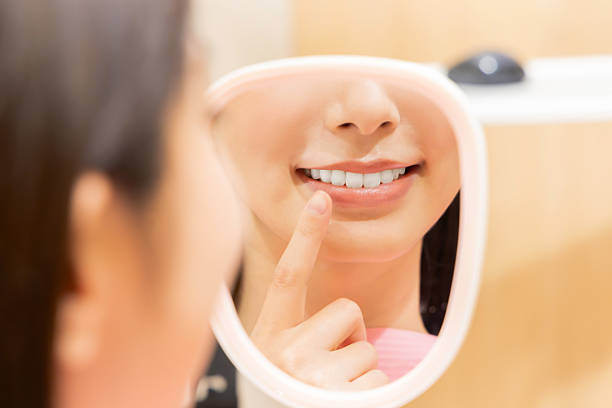
Checks for cavities or exposed roots that whitening gel could otherwise irritate.
Deeper single-tooth discoloration is sometimes masked with bonding rather than repeated whitening cycles.
You describe what's going on in a minute or two; no automated menu to fight through first.
We match you with a nearby specialist experienced in this exact procedure and check real-time openings.
The specialist examines your case, often with same-visit imaging, and gives you a cost estimate before starting anything.
You leave with the issue addressed and next steps already scheduled if needed.
"Explained every step and the cost before doing anything. First visit that didn't feel rushed."
"Price on the phone matched the invoice exactly. No surprise charges at all."
"No upsells, no pressure. Just the treatment I needed at the price I was told upfront."
Most patients see a clear difference, with the exact change depending on stain type.
Desensitizing steps are built into the protocol for patients prone to sensitivity.
Results commonly last six months to two years depending on diet and habits like coffee or smoking.
Professional treatment includes gum protection and controlled concentrations that home kits don't offer.
Whitening isn't recommended during pregnancy, and certain medication-related stains may need a different approach.
Pricing varies by method and is confirmed upfront on the call.
We keep a live list of specialists across Southfield and the surrounding zip codes, so a nearby, open provider is already in our network.
Every provider in our MI network carries an active, checked license.
A short call is all it takes to get this on the calendar this week.
Call +1-866-227-2801 Now